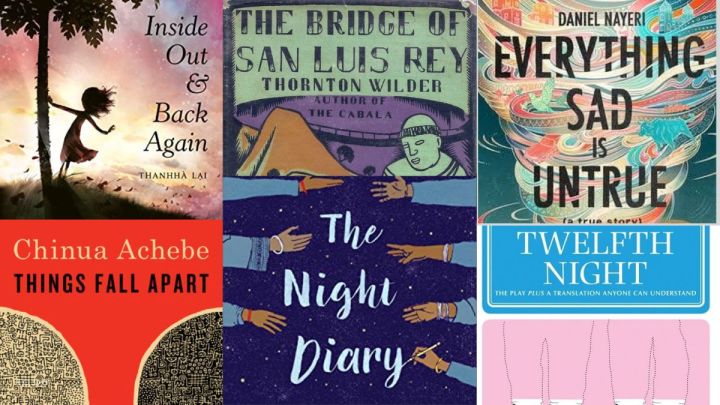
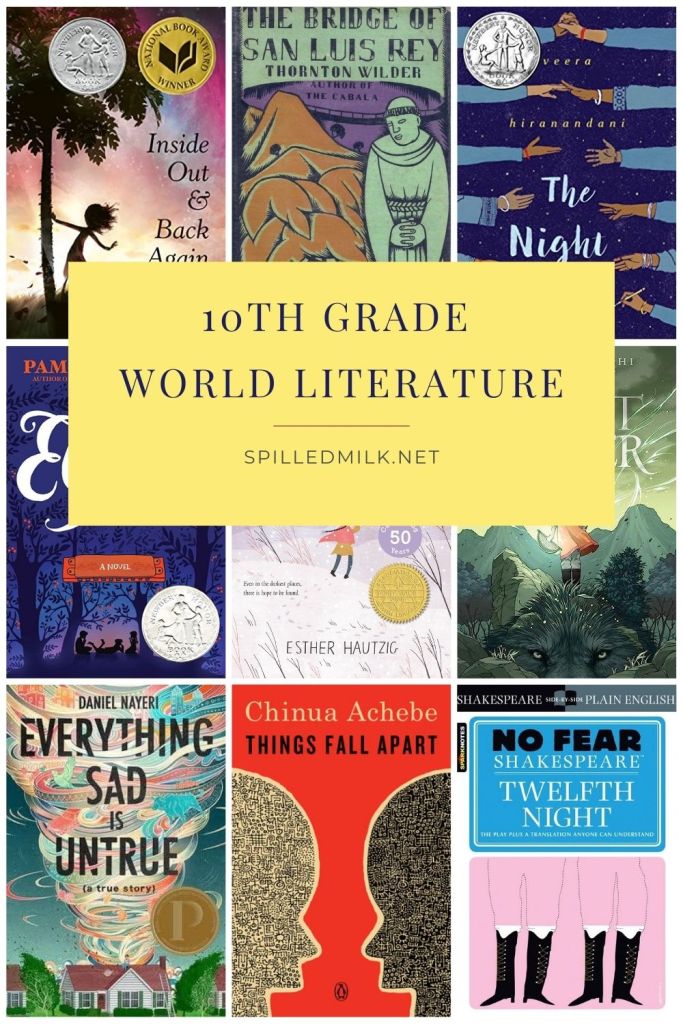
I’ll be teaching several English literature courses next year, and I’m very excited about the books in my 10th grade World Lit class. These aren’t all heavy-hitters, but I think they’re all books that will challenge or inspire the kids in some way. Our school year follows a calendar of four 8-week quarters. Here’s what we’re reading, and how long we’re spending on each one.
(contains affiliate links)
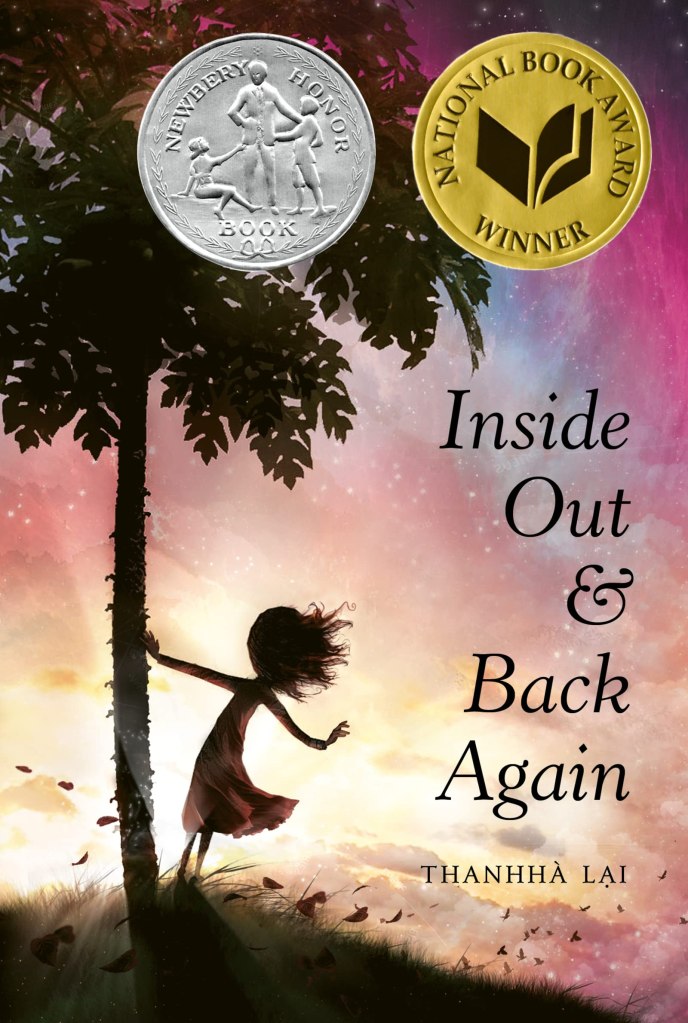
Over the summer, they’ll read Inside Out and Back Again by Thanhhà Lai. This is a powerful, visually rich immigrant story, based on Lai’s own experience fleeing Vietnam shortly before the fall of Saigon. Her love for her homeland seeps through every page, while the challenges she faces in rural Alabama are in the forefront. There’s a poignant longing throughout the book, and students will find relatable connection points to the main character, Ha, even though their experience in life has been very different from hers. (We will spend two weeks on this book, and students are assigned a diagnostic essay on the topic of the wishes that Hà makes throughout the book.)
This book will be followed by two weeks of short stories and poems. The first week focuses on the them of Identity and includes: “The Danger of a Single Story” by Chimamanda Ngozi Adichie, “Identity” by Julio Noboa, and “I Lost My Talk” by Rita Joe. We’ll also discuss sci-fi and magical realism with “Click Clack the Rattlebag” by Neil Gaiman and “The Sound of Thunder” by Ray Bradbury.
The second week focuses on The American Experience and includes “The Fan Club” by Rona Maynard, “Stopping by Woods on a Snowy Evening” by Robert Frost, and “The Medicine Bag” by Virginia Driving Hawk Sneve.
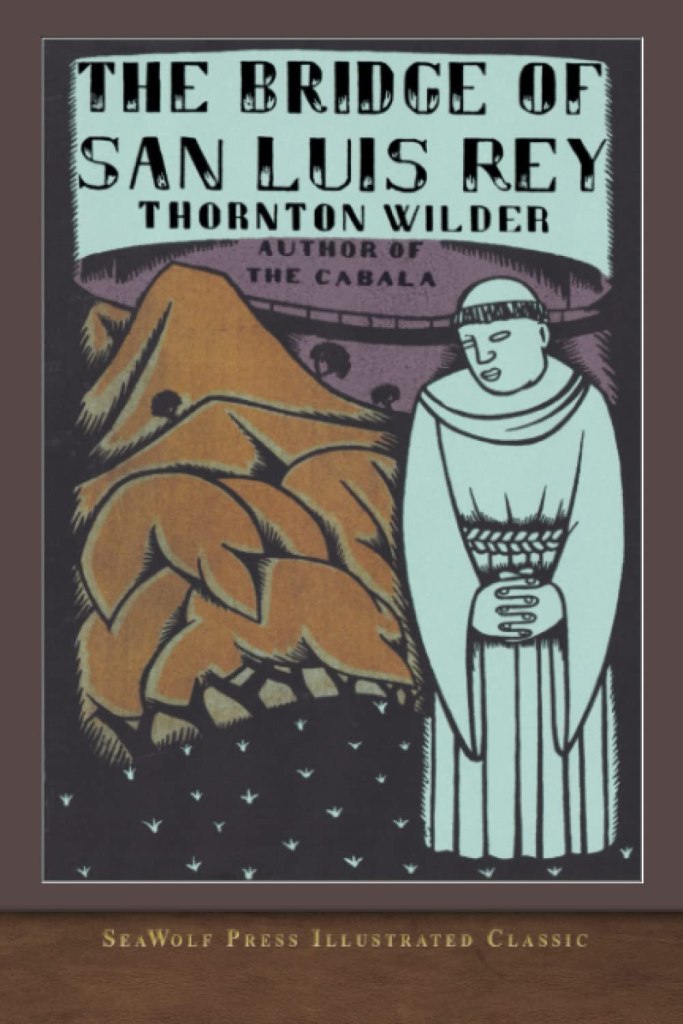
Our second book is The Bridge of San Luis Rey by Thornton Wilder. Set in Peru, this story follows a monk who witnesses the collapse of a bridge, and he sets out to determine who the people were who plummeted to their deaths. I was captivated by this book, myself, in high school, and I’m hoping the students will be as well. This book concludes our first quarter, and the students will depart for Fall Break. No swinging bridges, please. We have posted our free study guide and teaching notes for you too.
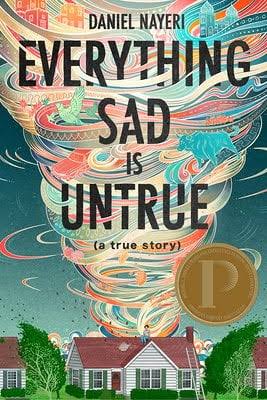
When we return from fall break, our first read is one of my favorite books of all time: Daniel Nayeri’s Everything Sad is Untrue. (I wrote a whole review of this book immediately after reading it.) Based on many of his real life experiences, this book traces Daniel’s childhood journey in which he fled from Iran in the middle of the night and (eventually) landed in Oklahoma as a refugee. This story is rich with the flavors, history, beauty, and stories of Iran. Daniel loved his home; it was beautiful there. Oklahoma is dry and dusty to him, although he’s safe there. It’s a beautiful story of paradox and the mixture of emotions that the events in our lives bring us. And teachers: he uses repeated allusions to The 1001 Arabian Nights in his storytelling, which is a really nice pairing for you as you teach. This book is long, so we’ll go all the way from Fall Break to Thanksgiving with this one.
The week after Thanksgiving, we’ll take a look at the following American short stories and poetry: “The Peace of Wild Things” by Wendell Berry, “Identity” by Julio Noboa, “Mending Wall” by Robert Frost, “[anyone lived in a pretty how town”] by e. e. cummings, “It’s Raining on the House of Anne Frank” by Linda Pastan, “Sol Painting, Inc.” by Meg Medina, and “Crying in H Mart” by Michele Zauner.
Then it’s exam study time and winter break!
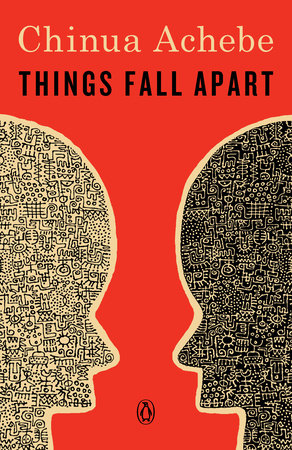
When we return, the kids will be reading Things Fall Apart by Chinua Achebe for four weeks (and you can find my curriculum here). It’s a very readable book with very difficult and complex topics. When I’ve discussed it in the past with students, they were inexperienced with an anti-hero protagonist. They weren’t quite sure what to do with the deeply flawed Okonkwo, but we really enjoyed this glimpse into the area now known as Nigeria, before it was colonized.
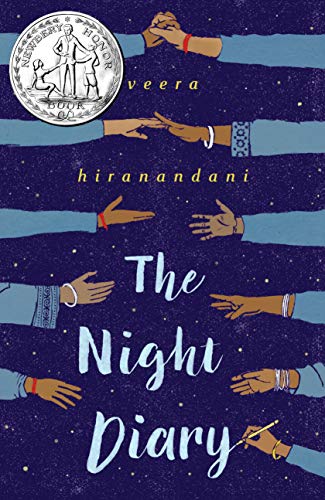
We’ll go straight from this book into The Night Diary by Vera Hiranandani. This is another refugee story — set in India during the days before and during its independence from Great Britain. It’s an interesting follow up to Things Fall Apart, as that book shows the fall-out from the beginning of the colonization process, and this one shows the fall-out on the back end. The story is told through diary entries a young girl writes to her mother, who died in childbirth. She travels to her new home with her father and brother, who is neuro-divergent. This young girl loves food, and the flavors of India come wafting off the pages. Beware: I was craving a trip to our local Indian restaurant every day I read this.
After this book, we break for Spring Break!

Of course, kids need to read Shakespeare too, so I picked Twelfth Night, set in Italy. It’s a classic, and the kids should (hopefully, maybe, fingers crossed?) enjoy this raucous tale of mistaken identity and love lost. It opens with one of Shakespeare’s most famous monologues: “If music be the food of love, play on…” It’s fun and funny. I watched this show in Stratford Upon Avon as a college English student on a foreign study trip, and I am hoping to show them a great film version as we read. I believe, firmly, that Shakespeare is meant to be watched more than read…so I’ll encourage them to do both.
Finally, we’ll wrap up our year with a “book of choice” unit. The students are able to pick from seven books to read for this last three weeks, and they’ll be in discussion groups with others who have chosen the same book during class time. Their choices are:
- Cry the Beloved Country by Alan Paton (South Africa)
- Echo by Pam Muñoz Ryan (Latin American)
- The Endless Steppe by Esther Hautzig (Poland/Siberia)
- The Book Thief by Markus Zusak (Germany)
- Endurance by Alfred Lansing (Antarctica)
- Seven Little Australians by Ethel Turner (Australia)
- The Beast Player by Nahoko Uehashi (Japan)
 Spilled Milk