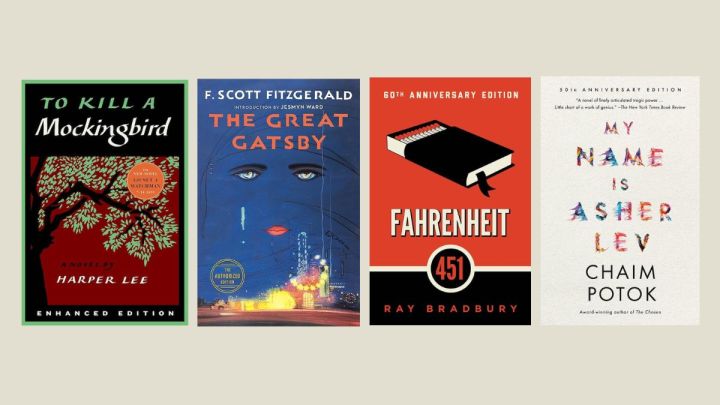
This year we are taking on Modern Literature at our high school co-op English class, and it’s been the most fun list for me to put together so far. There are so many books that students will thoroughly enjoy in this category (no offense, Victorian Lit). In fact, my co-teacher and I couldn’t narrow it down to fit the number of weeks we have, so during several units we offered two options to our students and we’re both leading discussion groups then!
Some background: our class includes all of high school, which is a challenge. Freshmen have significantly less experience with papers and analysis than seniors do. However, it’s a great model to pair the underclass students in small discussion groups with the upperclass students. They learn a lot from their older peers, even more than from me as the mom/teacher. Go figure.
This year, our syllabus includes:
Week 1: Short and/or humorous poems. We read “The Rose that Grew from Concrete” by Tupac Shakur, “And the Ghosts” by Graham Foust (they LOVED this one), “The Red Wheelbarrow” by William Carlos Williams, “l(a” by e. e. cummings (another fun mind-bender), “Forgetfulness” by Billy Collins, “Valentine for Ernest Mann” by Naomi Shihab Nye, and “One Perfect Rose” by Dorothy Parker.
Week 2: Nonfiction Essays. We looked at features of nonfiction writing as we discussed Amy Tan‘s memoir essay “Mother Tongue,” the hilarious David Sedaris’s memoir essay “Us and Them,” which prompts great discussion about homeschooling and “otherness,” and “Want to get into college? Learn to fail.” by Angel Perez, to look at persuasive writing.
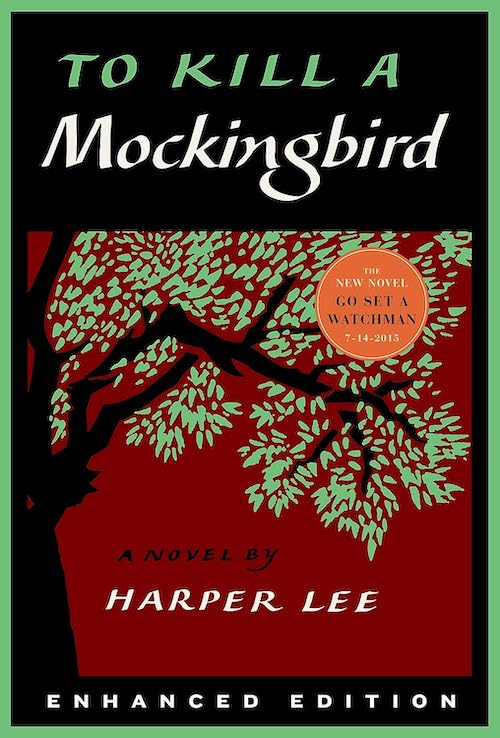
Weeks 3-6: Novel Unit. Students choose between To Kill a Mockingbird by Harper Lee, possibly my all-time favorite book. My co-teacher is leading discussion on Roll of Thunder, Hear My Cry by Mildred Taylor. Both books cover themes about racial injustice in the Deep South in the early 1900s.
Helpful Resource: My complete, free To Kill a Mockingbird curriculum
Week 7: Harlem Renaissance. We’ll spend one week looking at literature that came out of this important American movement, including “We Real Cool” by Gwendolyn Brooks, “Mother to Son” by Langston Hughes, “Storm Ending” by Jean Toomer, “One Friday Morning” by Langston Hughes (for 9/10th only), and “Liars Don’t Qualify” by Junius Edwards (for 11/12th only).
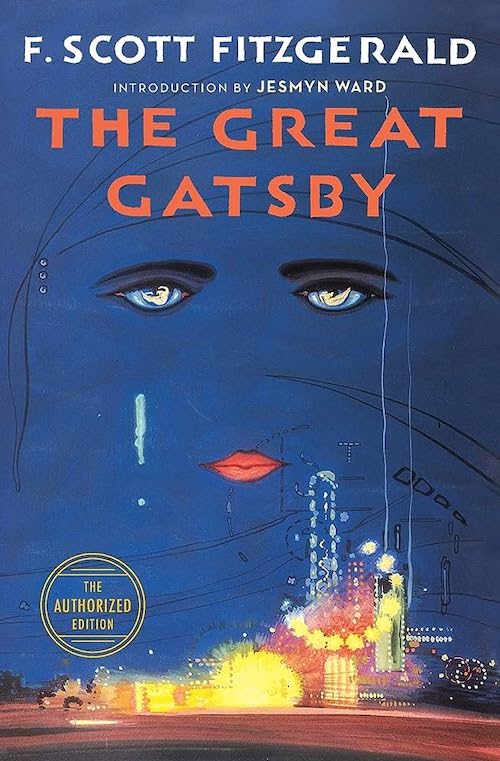
Weeks 8-10: Novel Unit. Students will choose between The Great Gatsby by F. Scott Fitzgerald, which we’re recommending for the older students, and The Old Man and the Sea by Ernest Hemingway.
Helpful Resource: My complete, free The Great Gatsby curriculum.
Week 11: Magical Realism and Science Fiction unit. In this unit, everyone will read the sci-fi poem “The Quiet World” by Jeffrey McDaniel and the short stories “Click-Clack the Rattlebag” by Neil Gaiman and “A Sound of Thunder” by Ray Bradbury. The younger students will also read “Believing in Brooklyn” by Matt de la Peña, and the older kids will read “A Very Old Man with Enormous Wings” by Gabriel García Márquez.
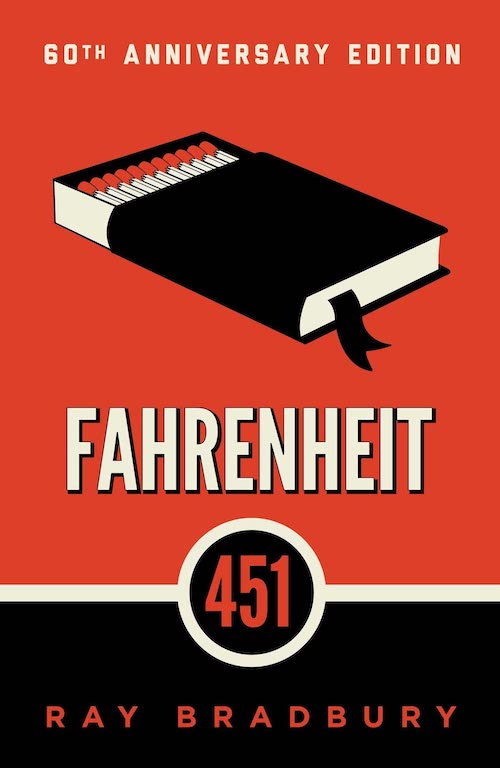
Weeks 12-14: Novel Unit. Next up will be Fahrenheit 451 by Ray Bradbury. All students will come together to read this classic sci-fi novel about a dystopian future in which books are banned, technology has overtaken our free will, and only a few fight against the system. It’s a great opportunity to talk about the importance of thinking for yourself and censorship (or, cancel culture) in society today.
Week 15: Christmas Short Story. As we break for the Christmas holidays, the students will read O. Henry’s beloved short story “The Gift of the Magi.” He’s just outside our time period of the 1900s-present, but our group wouldn’t have appreciated some of the language in “The Santaland Diaries” by David Sedaris, my favorite holiday short story, so we went with the classic. If you have other PG-rated Christmas stories you love for students, let me know in the comments!
Week 16: World Lit. Poetry and Short Stories. When they return from Christmas break, we’ll discuss our world lit packet which includes “Do Not Go Gently Into that Good Night” by Dylan Thomas, “When You Are Old” by W. B. Yeats, “Crying in H Mart” by Michele Zauner (a surprise favorite among my students), and “The Garden Party” by Katherine Mansfield, which leads to so much great discussion about class and prejudice. The 11th and 12th graders will also discuss “The Love Song of J. Alfred Prufrock” by T. S. Eliot and “Once Upon a Time” by Nadine Gordimer.
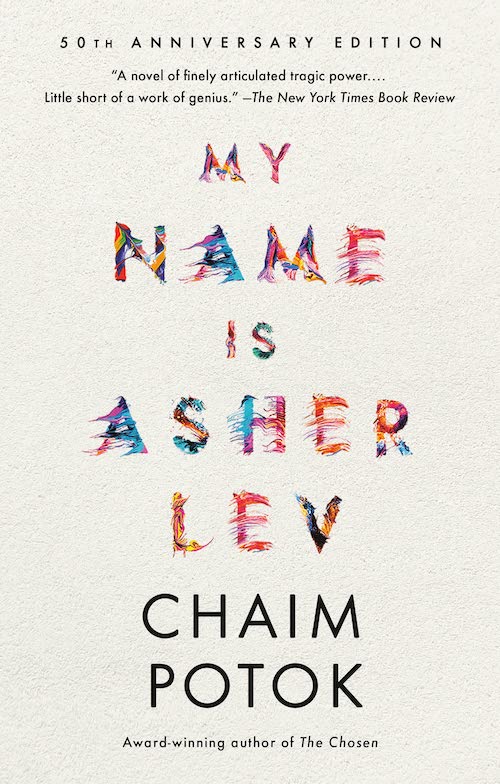
Weeks 17-20: Novel Unit. The next four weeks will be spent discussing Chaim Potok’s great My Name is Asher Lev, about a young Jewish man in Brooklyn in the midcentury.
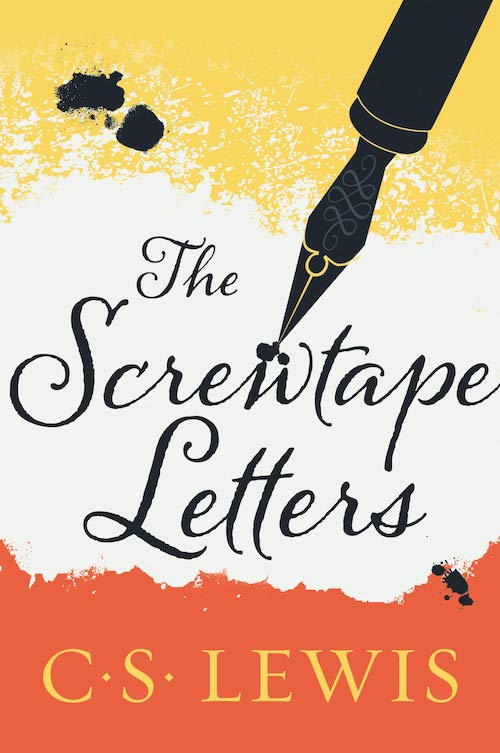
Weeks 21-23: Novel Unit. We’ll follow this book with a look at C. S. Lewis’s Screwtape Letters, in which an elder demon writes letters advising a trainee demon on how best to lead a new, young Christian astray.
Week 24: American Short Stories & Poetry. In this unit our students will read “The Peace of Wild Things” by Wendell Berry, “Identity” by Julio Noboa Polanco, “Mending Wall” by Robert Frost, “Nothing Gold Can Stay” by Robert Frost (which is a lead-in to our next novel unit), “[anyone lived in a pretty how town]” by e. e. cummings, and “It is Raining on the House of Anne Frank” by Linda Pastan. For short stories, the 9th/10th graders will read “The Fan Club” by Rona Maynard and “Sol Painting, Inc.” by Meg Medina. The 11th/12th graders will read “A Good Man is Hard to Find” by Flannery O’Connor.
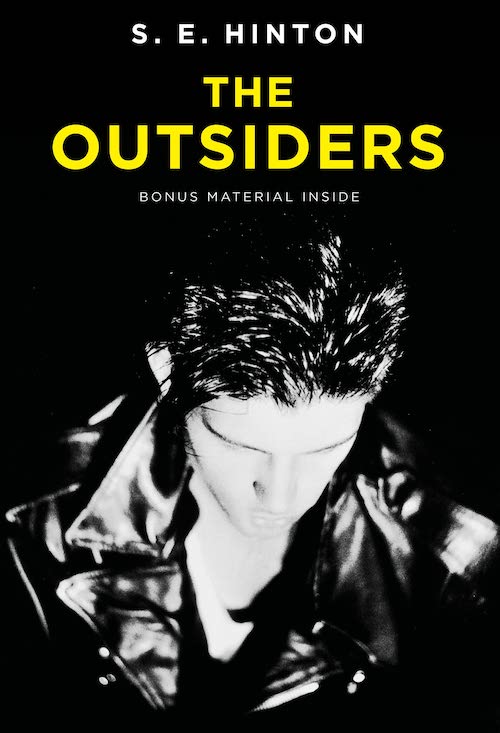
Weeks 25-27: Novel Unit. The students will all read The Outsiders by S. E. Hinton.
Weeks 28-30: Book of Choice Unit. We’ve given them the option to choose from a handful of modern novels and non-fiction works, including: Lord of the Flies by William Golding, The Endless Steppe by Esther Hautzig, The Night Diary by Vera Hiranandani, The Reason I Jump by Naoki Higashida, and Everything Sad is Untrue by Daniel Nayeri.
Copyrighted texts printed for educational purposes only.
 Spilled Milk
I love that you included Katherine Mansfield in this syllabus. She is one of my favorite authors. I narrate lots of her stories in my podcast. Let me know if you’re interested in hearing and I will send you the title 🙂
LikeLike