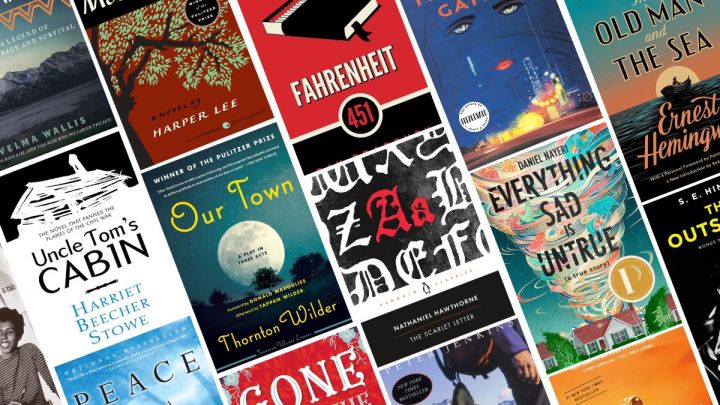
This year I’ll be teaching American Literature at our homeschool co-op, and we’ve finally narrowed down our reading list. I’m a real “look at all the options” type, and I constantly struggle with the tension of balancing classics that are important with modern books I know they’ll likely enjoy more.
Here’s what homework looks like for them: each week the students add to a reading journal. They write a summary of what they read (or annotate the book so they’re prepared for discussion). Then they write about 1 virtue, 1 vice, and 1 “truth” in the reading. The truth is something they recognize to be true in their own life experience, something they connect with in the book. It might be a broken heart or a thirst for adventure or a decision to do the right (or wrong) thing. Finally, they make note of 2 literary devices they saw in the reading. We discuss all of this in class.
So, after a lot of musing, here’s where we landed. I’ve never read one of these books . . . so I need to get on that ASAP. Can you guess which one?
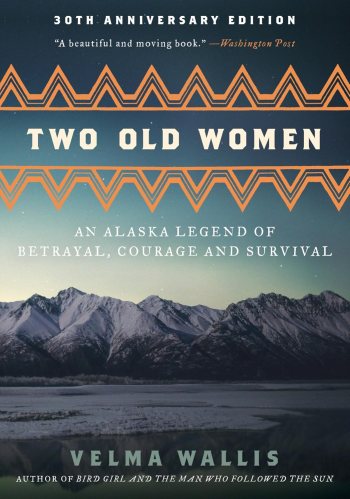
Week 1 — Summer Reading Assignment — Two Old Women by Velma Wells
This is an Athabaskan folk tale written in 1993, but the story itself is countless generations old. During a brutal winter, the tribe chooses to leave two old women behind in order to survive more easily without them. However the women surprise the tribe (and themselves) with their strength and survival skills.
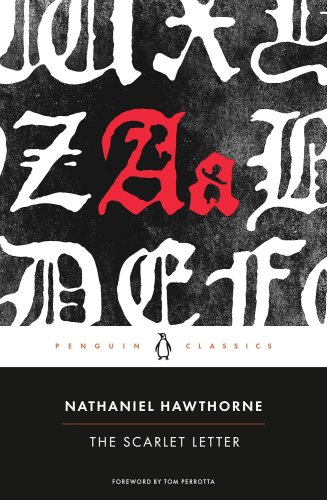
Weeks 2-5 — The Scarlet Letter by Nathaniel Hawthorne
This classic early-American novel about adultery, shame, judgement and 1700s “cancel culture” is surprisingly accessible and relevant for teens.
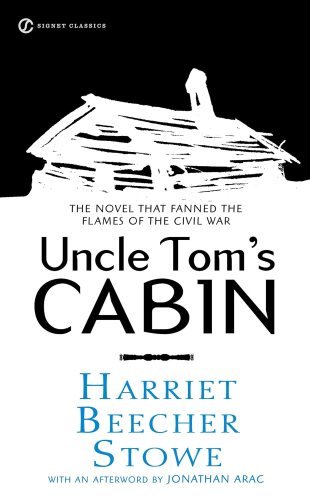
Weeks 6-9 — Uncle Tom’s Cabin by Harriett Beecher Stowe
This book shows the power of literature to change culture. It significantly shifted the North’s views on slavery, leading to the Civil War. It’s an important read for American culture and history.
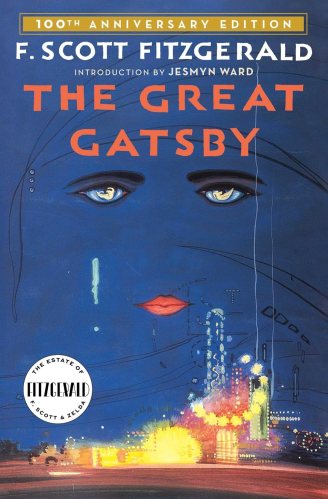
Weeks 10-12 — The Great Gatsby by F. Scott Fitzgerald
Fitzgerald captured the decadence and despondency of the Roaring 20s obsession with the American Dream in this classic. It’s an easy read. This year the Broadway musical is on tour, so we’re planning to go see that after we read it.
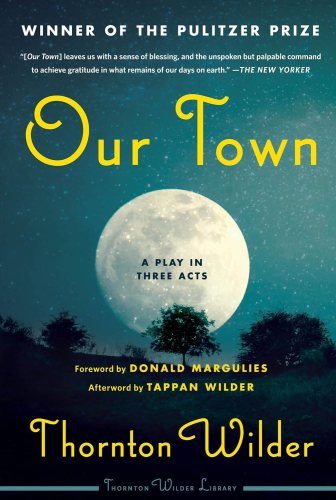
Week 13 — Our Town by Thornton Wilder
Wilder loves to explore the meaning of life in his works, and this Pulitzer-prize winning play is his best example of that.
Week 14 —American Poetry
This week we’ll provide the students with a variety of American poets, from Emily Dickinson to Robert Frost, Gwendolyn Brooks to Langston Hughes, and Naomi Shihab Nye to Billy Collins.
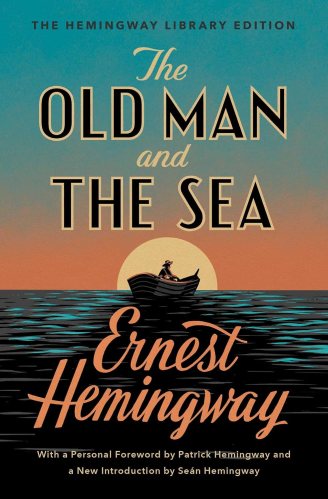
Weeks 15-16 — The Old Man and the Sea by Ernest Hemingway
This is a fantastic short novel for kids to really discuss the idea of symbolism (along with Gatsby) , even though Hemingway famously said, “The old man is an old man, the fish is a fish, and the sea is a sea.”
Week 17 — “Letter from a Birmingham Jail” by Martin Luther King, Jr.
This week falls on MLK Day for us this year, so we’ll be discussing his writing and legacy together.
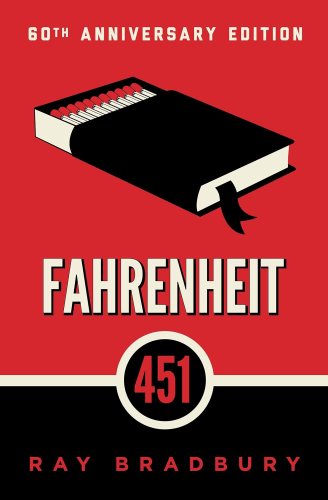
Weeks 18-20 — Fahrenheit 451 by Ray Bradbury
Fantastic, classic sci-fi all about censorship. It’s a fast, action-packed read that the students usually enjoy. It’s bizarre how many of his imagined bits of technology exist today.
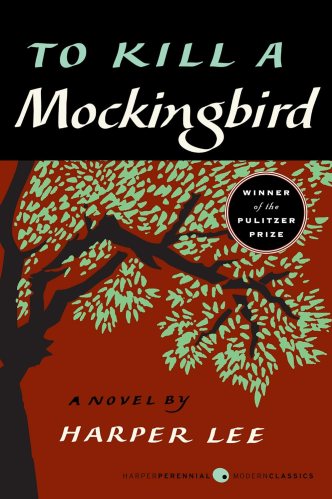
Weeks 21-23 — To Kill a Mockingbird by Harper Lee
I don’t think you can teach American Lit without this book, and I don’t think you should. It’s one of my favorites of all time, even with its complications for modern readers.
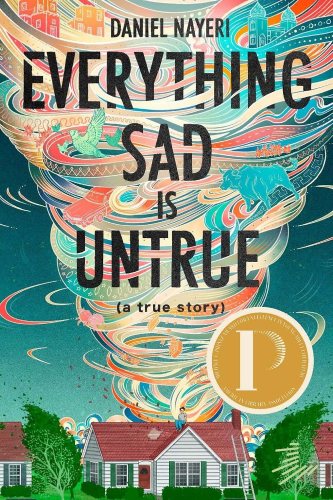
Weeks 24-28 — Everything Sad is Untrue by Daniel Nayeri
If you have not read this book, I can’t recommend it highly enough. We’ve talked about it here before, but in an academic context there is so much to talk about—story structure, the allusions both through language and structure to 1001 Nights, the themes of memory, name, identity, culture, home . . . I could go on all day. I adore this book.
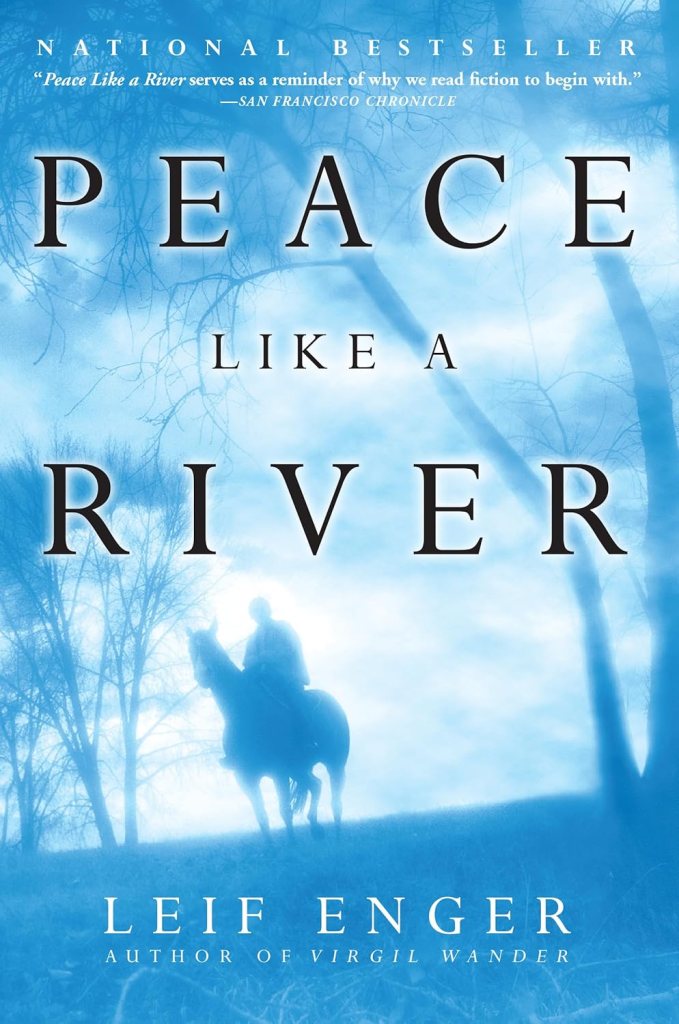
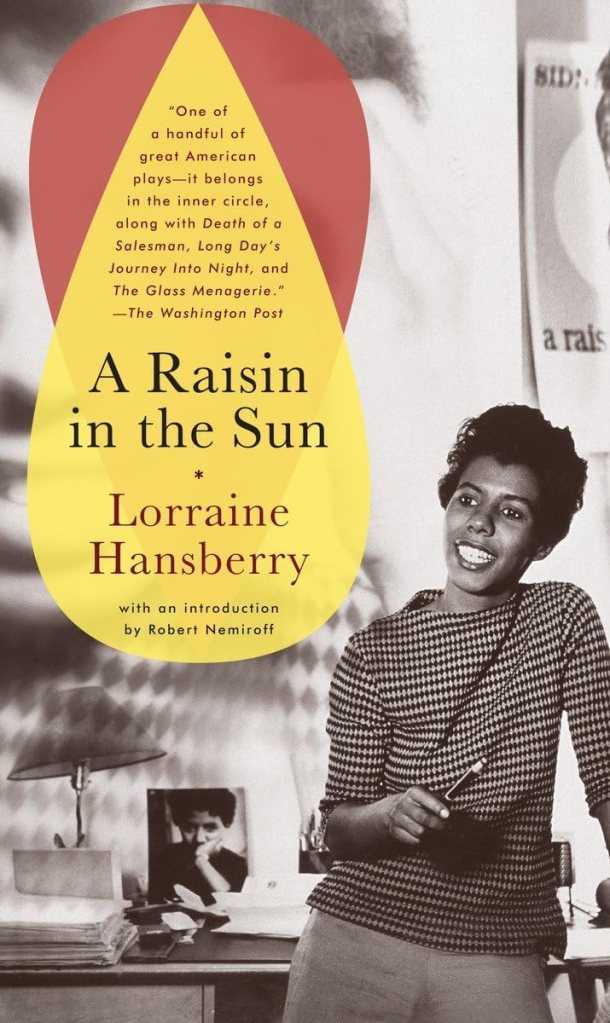
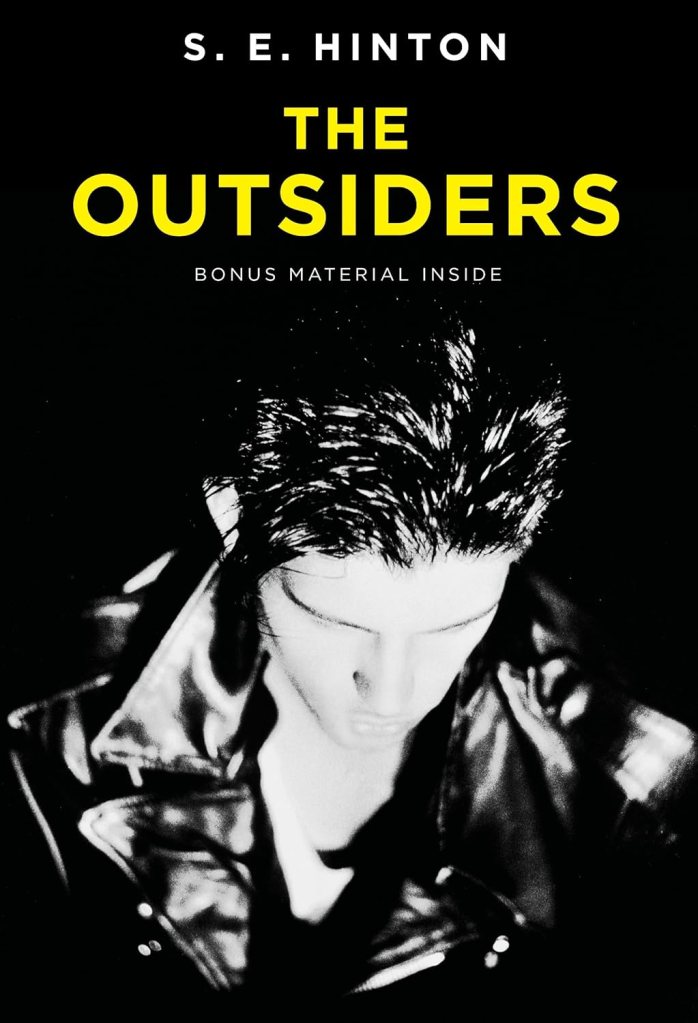
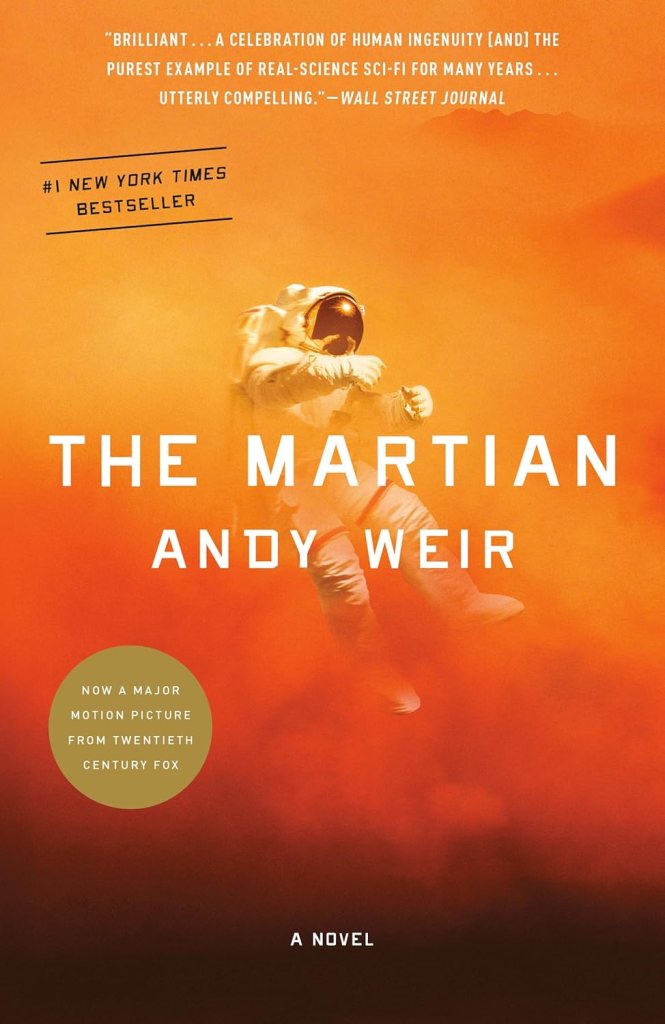
Weeks 29-30 — Book of Choice unit
For our last two weeks of class, the students will divide into small discussion groups based on their book of choice. Their options are: The Outsiders by S. E. Hinton, A Raisin in the Sun by Lorraine Hansberry, Peace Like a River by Leif Enger, Gone with the Wind by Margaret Mitchell, The Martian by Andy Weir, and A Walk Across America by Peter Jenkins.

