
The long list of finalists for the Booker Prize in literature were announced yesterday! I’m a sucker for awards and lists like this, and it’s a great place to find new book recommendations. If you aren’t familiar with the Booker Prize, it’s one of the most coveted awards in literature. It’s given to exceptional novels written in English from any country (compared to the Pulitzer, which is focused on books published by American authors or focused on America).
So if you’re looking to add some books to your own reading list or need some new picks for your book club, this is a great list to pull from.

The Shadow of the Object by Chloe Aridjis
The judges say, “We were charmed by the novel’s meditation on friendship and grief, and its suggestion that the most meaningful truths can be found in the shadows.”

Switzy by Emma Cline
The judges say, “Cline writes vividly about the trappings of the elite – the private jets, the heirloom watches, all that time spent in the office – as well as their sad social cost in a story that feels immersive, elegiac, and very real.”
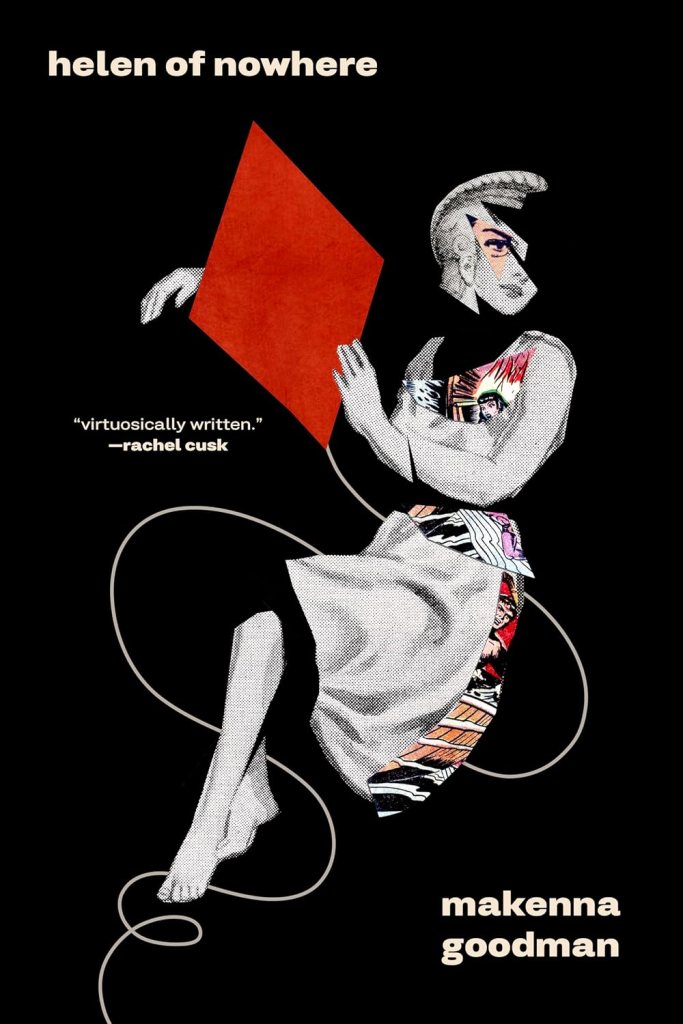
Helen of Nowhere by Makenna Goodman
The judges say, “Philosophically, politically, and spiritually adventurous, this slim, ambitious volume has the power to transform.”

The End of Everything by M. John Harrison
The judges say, “Shimmering and oblique, it holds the reader to the surface of something very grave and deep.”
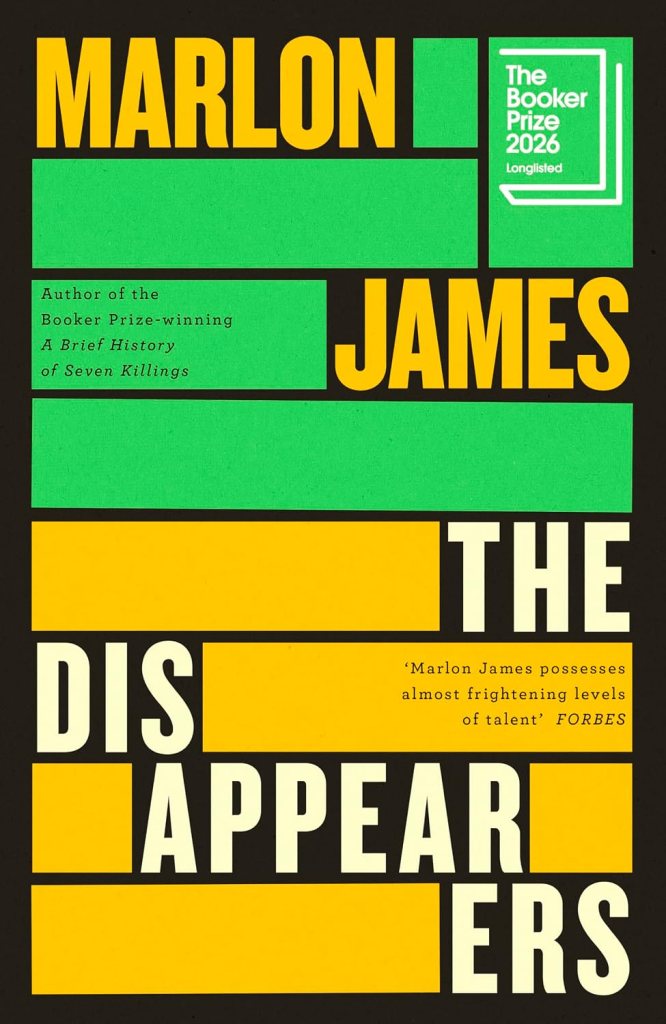
The Disappearers by Marlon James
The judges say, “James is a singular literary talent. His dialogue is sharp and propulsive, his phrasing is poetic, visceral and capable of moving from the painful to the darkly hilarious within a single exchange.”

Black Bag by Luke Kennard
The judges say, “Luke Kennard’s of-the-moment satire considers anonymity and disgust, the online rackets of cryptocurrency and energy drinks, and what it means to find love in our unstable times.”

The Renovation by Kenan Orhan
The judges say, “t’s a hilarious fantasy which had some of the judges laughing out loud. But it’s more than that. It poses questions about political activism, about where you really belong, and about the different forms that ‘imprisonment’ can take (from dementia to exile).”

May We Feed the King by Rebecca Perry
The judges say, “It’s a wonderfully enticing, and eye-opening, combination of themes, woven together with an extraordinary delicacy of touch.”
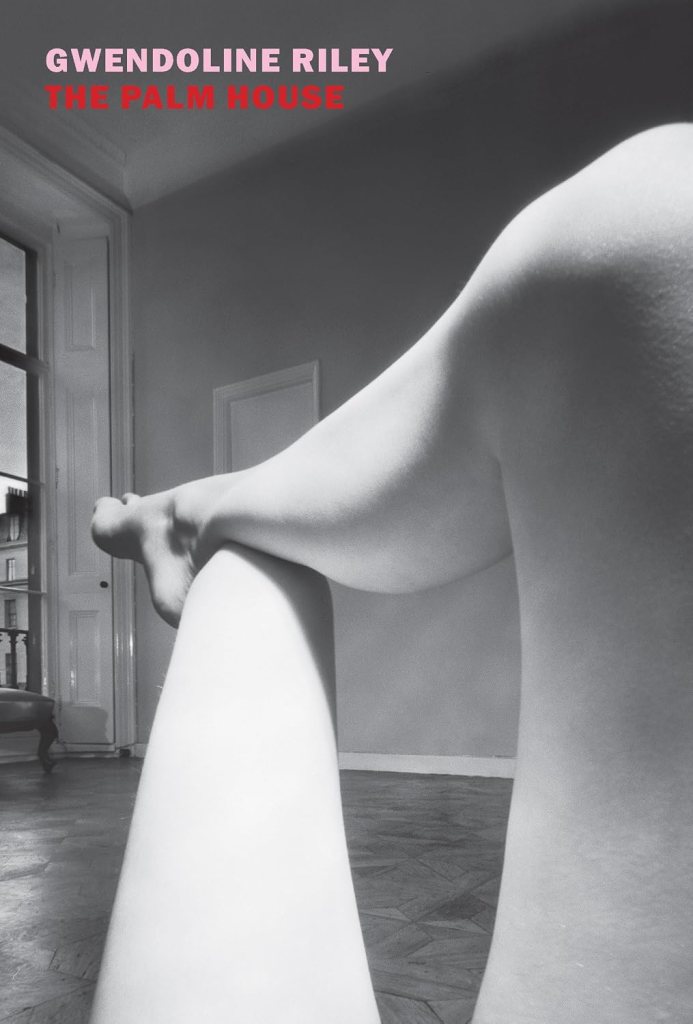
The Palm House by Gwendoline Riley
The judges say, “Told in a series of thrown spotlights, in some of the best dialogue this side of Henry Green, The Palm House is minimalist, precise, and indelible.”

The Things We Never Say by Elizabeth Strout
The judges say, “Strout’s prose is about as far from a rant as you could imagine, brilliantly understated and all the more powerful for that.”

John of John by Douglas Stuart
The judges say, “There’s a vivid sense of time and place, as the island becomes the site of bristling tensions between secret lovers, feuding families, and a stand-off between tradition and modernity.”

All Them Dogs by Djamel White
The judges say, in this debut novel, “White is an impressive stylist. He has an ear for dialogue that is both racy and real, and a gift for atmospheric description that feels at once inventive and classically grounded.”

The Vivisectors by Missouri Williams
The judges say, “Genuinely experimental, relentlessly and rollickingly told – in places truly menacing – The Vivisectors is the rare title that actually earns its name.”

